FULL DISCLOSURE

I am currently a member of Kansas City Local 34-627 of the American Federation of Musicians. I was initially sponsored into the union by the late Ahmad Alaadeen but never got any union work so I let my membership lapse after paying dues for many years.
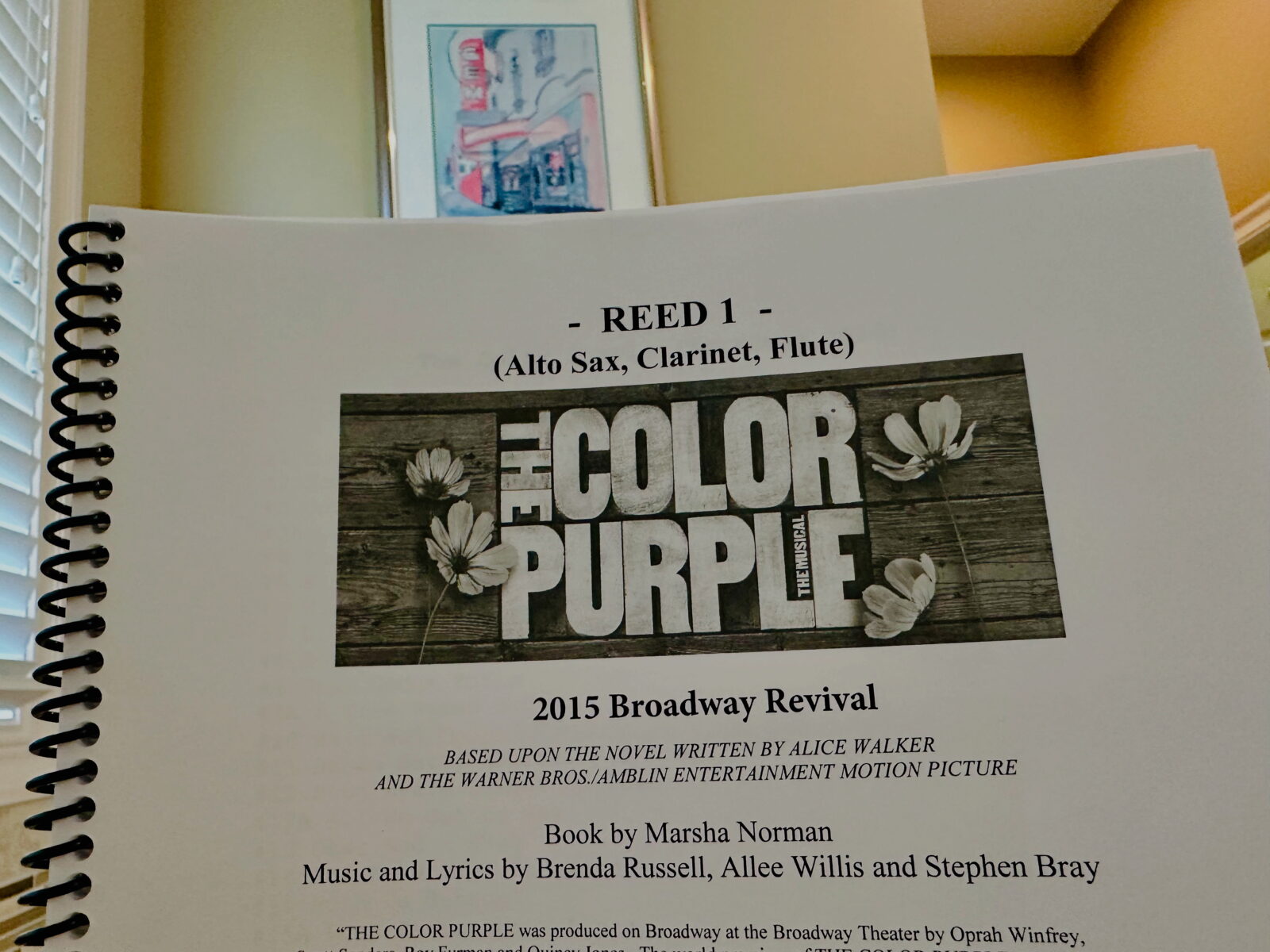
My membership was reinstated when I was hired by a music director to perform woodwinds for a union gig. I had to be a union member to accept the contract.
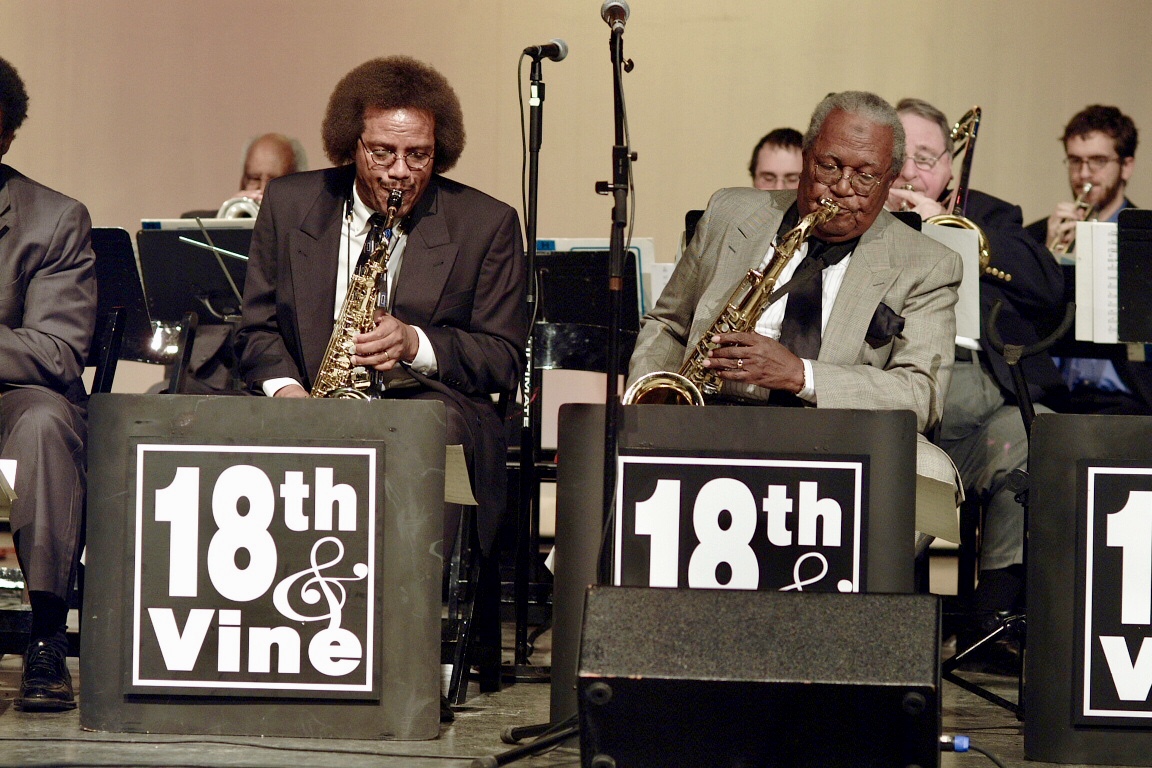
What I experienced was revelatory and reminiscent of how I was accustomed to being treated as a professional musician during my military service music career. Here’s why I think the next generation should join the union along with the reasons that I think are legitimate.
My prompt asked: “why should the youngest generation of professional musicians on the kansas city music scene join the local AFM?” And, I vetted the AI response for accuracy and the information is valid and good for describing this.
I ASKED A.I.

For the youngest generation of professional musicians, framing union benefits is less about “paying dues” and more about shifting from a transactional hustle to institutional equity.
1. The Financial Reality: Scaled Pay vs. The “Door Deal”
Casual club gigs at legendary spots like The Blue Room at the American Jazz Museum offer cultural prestige and community vibe, but they often operate on fluctuating door splits, thin margins, or fixed caps.
Union gigs with institutional presenters completely change the math:
• Guaranteed Baseline Wages: When you perform with institutional union presenters like Kansas City Repertory Theatre (KCRep) or the Folly Theater, you are protected by collective bargaining agreements. These guarantee an elevated baseline hourly or per-service “scale” wage that casual clubs simply cannot match.
• Premium Add-ons: Union contracts mandate extra pay for conditions that casual venues ignore. This includes doubling (playing multiple instruments), required rest breaks, overtime, late-night transit fees, and pension contributions that start building your long-term wealth early.
2. The Music Performance Trust Fund (MPTF): Creating Your Own High-Paying Gigs
Young musicians often think they have to choose between creative freedom and union pay. The Music Performance Trust Fund (MPTF) (https://musicpf.org) eliminates that divide.
• Funding Your Own Vision: The MPTF is a massive fund built on recording industry royalties. It allows union musicians to pitch admission-free public performances—like park concerts, school educational programs, or street festivals—and handles up to 50% to 100% of the funding.
• Double Dip on Funding: By pairing an MPTF grant with a local co-sponsor (like a neighborhood association, library, or local business), young artists can secure full union-scale pay for doing exactly the type of community-forward, passion-project performances they want to do.
3. Safety Nets and Institutional Clout
• Contract Enforcement: If a casual club cancels on you last minute or shorts your pay, you are usually left to text the manager or post on social media. If a presenter under an AFM contract defaults, the union steps in with legal enforcement to recover your money.
• Long-Term Benefits: Institutional gigs inject money directly into your AFM Pension Fund. While a 22-year-old rarely worries about retirement, starting those compounding contributions early ensures that a lifetime of performing translates into actual financial security down the road.
Ultimately, joining the union lets young musicians treat casual club gigs as a fun space for creative experimentation and networking, while relying on institutional union presenter contracts to provide a stable, high-paying backbone for their actual living expenses.
